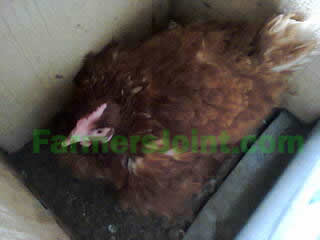
By FarmersJoint in PoultryAlthough commercial egg layers hardly go broody, it happens sometimes. When a hen is broody, it stops laying eggs and try to hatch some eggs. Sometimes a broody hen will sit on no eggs at all.
Why you should Break Broody Hens
If you don’t want to hatch any eggs, it is important that you break a broody hen whenever you find one. This applies especially if you raise them for profit or family eggs. This is because a broody hen will eventually loose weight and stop laying eggs. Another disadvantage is fighting in the next box. A broody hen will try to defend her spot in the nest and this can cause fights that will lead to broken eggs and subsequently egg eating.
How to Break Broodiness
Hens go broody due to warm vent and increased hormone secretion. To break
>>>>>> [Read more…] <<<<<<
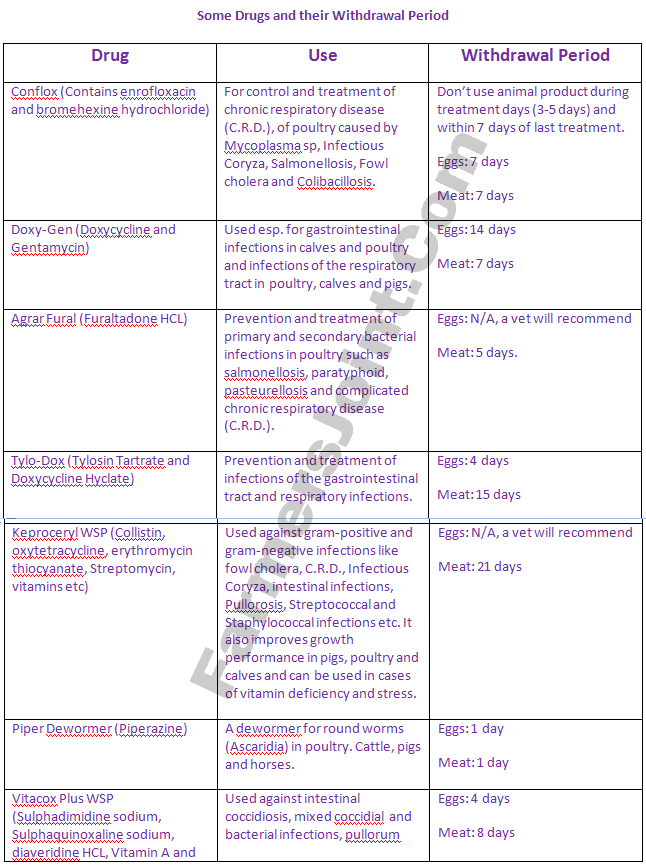
By FarmersJoint in Livestock FarmingWhen antibiotics are given to animals, part of the antibiotic and its by-products will end up in the flesh and in the product (honey, milk, eggs) of the animal. But after some days, the level gradually decline. Antibiotic withdrawal period is the time that passes between the last dose of an antibiotic given to the animal and the time when the level of antibiotic residues in the animal’s flesh or products fall below the maximum allowable limit (Maximum Residue Limit – MRL). Until the withdrawal period has expired, the animal or its products are not fit for human consumption.
drugs-and-their-withdrawal-periods
While establishing withdrawal periods for antibiotics, a very large margin of safety is used to ensure that even if the withdrawal period is not strictly adhered to, the consumer will not be at risk. In many countries like US, Canada and countries in the European Union, there
>>>>>> [Read more…] <<<<<<
By FarmersJoint in PoultryFeed cost constitutes over 70% of the total cost of broiler and egg production. So you can gain more profit by minimizing feed cost without jeopardizing feed quality. One way to go about this is by producing your own feed. You can do this in 3 ways depending on your expertise, time and availability of equipment. The 3 ways are discussed below:
1. Toll Milling: Here, the farmer pays a commercial feed miller to mill the feed for him. The miller will grind the feed ingredients and mix them using their feed formula or the one you provided. The feed ingredients can either be purchased from the miller or provided by you.
Advantages: You don’t need to own very cost feed milling equipment like grinder, mixer, generator etc. You have some control on the cost and quality of feed ingredients. So if you can get these ingredients at
>>>>>> [Read more…] <<<<<<
By FarmersJoint in PoultryAntibiotics are drugs used to treat diseases caused by bacteria and other micro-organisms, but they’re not effective against viruses. Antibiotic abuse occurs when antibiotic is given to healthy animals in low doses, or when the wrong antibiotic is used in treating disease. There are more than one antibiotic that can kill a particular bacteria, but not all are equally effective. Some antibiotics might be ineffective because the bacteria have developed resistance to them. This is known as antibiotic resistance. When antibiotic-resistant bacteria make your birds sick, treating them with that antibiotic will give no result. You may end up spending a lot of money on drugs and yet the birds won’t respond to treatment.
To avoid spending money unnecessarily while treating sick birds, it is important that you conduct a laboratory test that will help identify the sickness, after which an antibiotic sensitivity test is carried out
>>>>>> [Read more…] <<<<<<
By FarmersJoint in PoultryWe’re used to normal eggs but when we encounter some abnormal ones, we may start wondering how safe they are for consumption, or we may wonder how and why it really happened. Below are answers to some common questions about egg layers and abnormal eggs.
#1. Egg Shells with Rough Patches and/or Little Hard Pimples
The rough patches or hard pimples you see are due to deposition of excess calcium on the shell. It can happen due to the following reasons.
Young hens laying for the first time may produce such eggs but after a while it cease. It can also occur in older birds when they are getting excess calcium. For example, during the winter when egg production slows down, some eggs might get more calcium deposited on them. You can counter this by stimulating egg production with light and by feeding balanced feed or high-protein treats if
>>>>>> [Read more…] <<<<<<
By FarmersJoint in PoultryIt can start as a mistake – a bird step on an egg with weak shell and it break, or two birds are fighting in the nest box and an egg got broken. Whichever way, once an egg break and a hen taste the yummy content, that hen will embark on a mission of egg eating and others will watch and learn from her. Egg eating can cost you a lot if it goes uncheck and the funny part is that they can eat the whole egg – both the yummy content and shell! Sometimes you might not see evidence of the crime if you don’t pay attention to details.
Signs of Egg Eating
If you notice egg shells (even tiny ones) and wet spots in the nesting box, suspect egg eating. The culprit might have yolk on their beak, feathers and face, so look closely. During peak laying times,
>>>>>> [Read more…] <<<<<<
By FarmersJoint in Livestock Farming
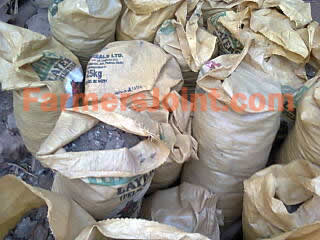
Manure in Chicken Feed Sacks
Poultry litter is a mixture of poultry manure, spilled feed, feathers, and bedding materials (such as wood shavings, sawdust, peanut hulls, shredded sugar cane, straw etc). Some will be shocked to discover that poultry litter can be fed to ruminants like cows, goats and sheep. Some will wonder how beneficial it is and its health implication to both ruminants and man. In a short while, we’ll be considering all these.
Why Would Some People Feed Poultry Manure to their Animals?
I’ll be writing about 3 reasons why farmers feed poultry litter to their animals.
1. Disposing Poultry Litter is a Big Challenge: Disposing of poultry litter can lead to environmental pollution. If you are a backyard poultry farmer, you may not understand what I mean. Chickens can generate tons and tons of manure over a period of time. A single layer hen weighing
>>>>>> [Read more…] <<<<<<
|
Join the Forum Do you want to discover more great info like these?
Register for free and ask your question in our farming forum! Our knowledgeable members will have your questions answered.
FarmersJoint.com strives to maintain accurate and up-to-date information; however, mistakes do happen and we won't be held accountable for anything that result from the use of information provided in this site. If you would like to correct or update any of the information, please send us an e-mail. THANK YOU!
|